
If you have ever left a loud concert with a persistent ringing in your ears, or found yourself asking people to repeat themselves more often than usual, you might have wondered whether something more serious is going on with your hearing. Two of the most common hearing-related conditions people deal with are tinnitus and hearing loss. While they are often mentioned in the same conversation, they are not the same thing, and understanding the difference between them is the first step toward protecting your long-term ear health. Whether you are a regular concert-goer, a musician, or simply someone curious about your hearing, this article is for you.
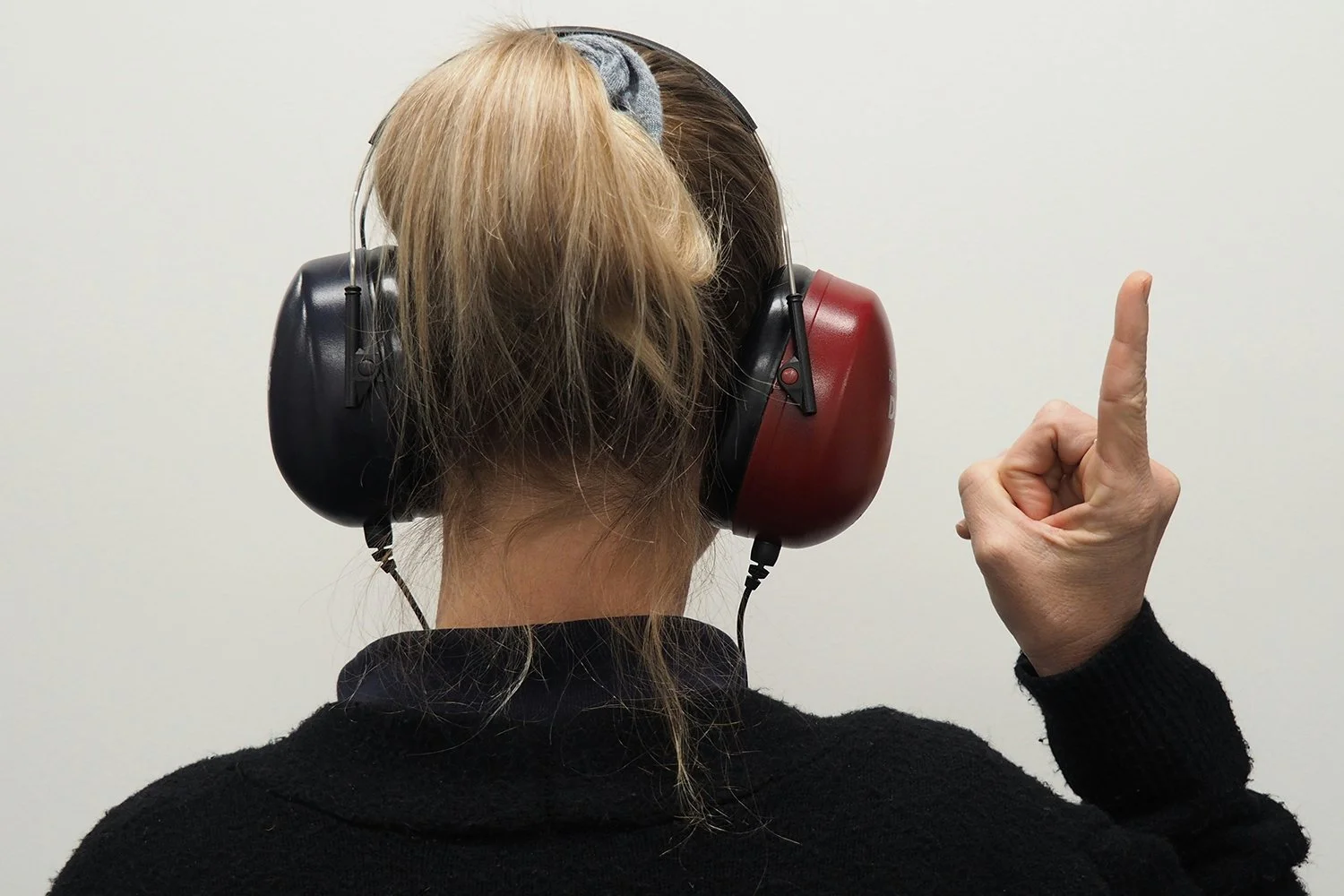
What Is Tinnitus?
Tinnitus is the perception of sound, most commonly ringing, buzzing, hissing, or clicking, when no external sound is actually present. It is not a disease in itself but rather a symptom that can be triggered by a wide range of causes, including exposure to loud noise, ear infections, certain medications, or even stress. According to the American Tinnitus Association, roughly 15% of the general public experiences some form of tinnitus. For many people, episodes are temporary and mild. For others, it becomes a chronic condition that significantly affects daily life, sleep, and mental well-being. Learning more about what tinnitus is and what causes it is an important step in knowing how to manage or prevent it.
What Is Hearing Loss?
Hearing loss, on the other hand, refers to a reduced ability to hear sounds at certain frequencies or volumes. It can range from mild, where you miss soft sounds or high pitches, to profound, where everyday conversation becomes difficult or impossible. Hearing loss can be caused by aging, genetics, disease, or prolonged exposure to loud noise. Noise-induced hearing loss (NIHL) is one of the most preventable forms and is directly linked to repeated exposure to sounds above 85 decibels, the kind of noise levels common at live music events, sporting events, and even some workplaces. This is exactly why wearing concert earplugs at loud events is so strongly recommended.
Key Differences Between Tinnitus and Hearing Loss
The simplest way to distinguish the two is this: tinnitus is about sounds you hear that are not there, while hearing loss is about sounds you cannot hear that are there. Tinnitus is a phantom sound experience, while hearing loss is a measurable reduction in auditory function. That said, both conditions can result from the same root cause, particularly damage to the delicate hair cells inside the cochlea, which are responsible for translating sound vibrations into nerve signals. Once those hair cells are damaged, the effects can include both distorted sound perception (tinnitus) and reduced hearing ability. The Hearing Health Foundation notes that noise-induced damage to these hair cells is permanent, making prevention crucial. Attending a loud show? Make sure you have a pair of quality concert earplugs on hand.

Can You Have Both at the Same Time?
Yes, and it is actually quite common. Many people who develop tinnitus also experience some degree of hearing loss, and vice versa. In fact, research from Tinnitus Research Initiative suggests that the majority of tinnitus cases occur alongside measurable hearing loss, even when the person is not aware of the hearing loss. The two conditions can reinforce each other, making it harder to communicate, concentrate, and relax. People who frequently attend concerts, festivals, or other high-volume events are at particular risk of developing both conditions over time, especially without proper ear protection. You can read more about tinnitus prevention strategies on our website. And if you are ever at a live event, wearing concert earplugs is one of the simplest and most effective steps you can take to protect against both.
Who Is Most at Risk?
While anyone can develop tinnitus or hearing loss, certain groups face higher risks. Musicians, audio engineers, construction workers, military veterans, and frequent concertgoers are among the most commonly affected. Even teenagers and young adults are increasingly showing signs of hearing damage due to high-volume headphone use and frequent attendance at loud events. TinnitusQuest highlights how awareness and early intervention can make a real difference. If you or someone you know falls into a high-risk group, explore our page on people with tinnitus to understand how others are managing the condition. A simple habit like reaching for your concert earplugs before entering a loud venue can protect you for decades to come.
What Can You Do About It?
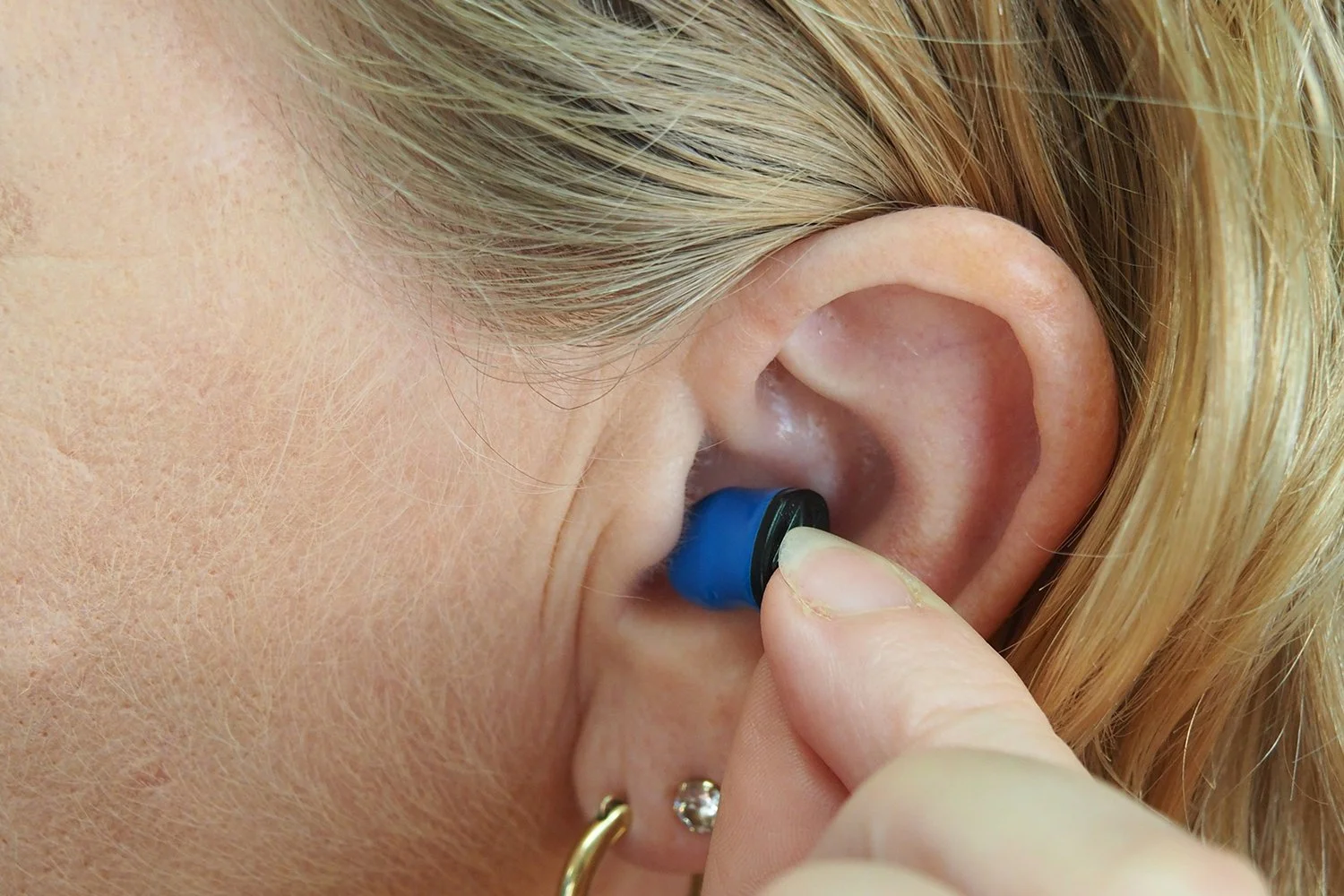
If you are already experiencing symptoms, visiting an audiologist or ENT specialist is the right first move. There are also resources, support groups, and tinnitus remedies worth exploring. Organizations like Tinnitus Free and the American Tinnitus Association offer research-backed guidance and community support. For those who have not yet developed symptoms, now is the perfect time to be proactive. Browse our shop to find the right ear protection for your lifestyle, and check out our FAQ for answers to common questions. Do not wait until the damage is done. Have a question for us directly? Feel free to contact us.
Tinnitus and hearing loss are two distinct but deeply connected conditions, and understanding both puts you in a much better position to protect your hearing for life. Whether you are heading to a festival this weekend or just want to be more informed, small steps add up to big protection. Slipping in a pair of concert earplugs takes seconds and can make all the difference. Your ears are worth it.