Tinnitus Remedies
There is no cure for Tinnitus.
Not Yet!
Millions suffer in silence. That's why Q2 Earplugs is actively fundraising to support tinnitus research, because no one should have to live with a sound that never stops. Until a cure exists, here's some tips for managing tinnitus.
Tips for Managing Tinnitus
While there's no single fix, many people find meaningful relief through a combination of these approaches.
-
One of the most effective and immediate forms of relief. Tinnitus is most noticeable in silence — masking it with background sound can quiet the mental impact significantly.
White, pink, or brown noise machines
Nature sounds (rain, ocean waves, wind)
Low-volume music or ambient playlists
Apps like Calm, Beltone Tinnitus Calmer, or MyNoise
Keeping a fan or humidifier running at night
-
Certain lifestyle factors are known to amplify tinnitus symptoms. Cutting back on these can make a noticeable difference:
Caffeine — stimulates the nervous system and can increase perceived ringing
Alcohol — dilates blood vessels and increases blood flow to the inner ear
Salt — can cause fluid retention affecting inner ear pressure
Nicotine — reduces blood flow to the ear's sensory cells
Loud noise exposure — always the #1 aggravating factor
-
Stress and anxiety don't cause tinnitus, but they are strongly linked to how severe it feels. When your nervous system is on high alert, tinnitus gets louder. Proven techniques include:
Mindfulness meditation (even 10 min/day helps)
Deep breathing exercises
Yoga or gentle movement
Cognitive Behavioral Therapy (CBT) — clinically shown to reduce tinnitus distress
Journaling to externalize anxiety
-
Exhaustion makes tinnitus dramatically worse. Poor sleep heightens the brain's sensitivity to internal sounds, creating a frustrating cycle. Tips to break it:
Maintain a consistent sleep schedule
Use a sound machine at bedtime
Avoid screens 1 hour before sleeping
Keep the room cool and dark
Talk to a doctor if tinnitus is chronically disrupting sleep
-
Don't try to manage this alone. Healthcare professionals can offer real, personalized solutions:
Audiologist — can assess hearing loss and fit hearing aids, which help many tinnitus sufferers
ENT (Ear, Nose & Throat doctor) — rules out underlying medical causes
Tinnitus Retraining Therapy (TRT) — trains the brain to reclassify tinnitus as background noise
CBT therapist — addresses the psychological burden of tinnitus
Hearing aids — many modern devices have built-in tinnitus masking features
-
Some research suggests these may help, though results vary. Always consult a doctor first:
Magnesium — may protect against noise-induced hearing damage
Zinc — deficiency has been linked to tinnitus in some studies
B12 — low levels associated with tinnitus in some patients
Ginkgo biloba — mixed evidence, but widely used for circulation support
-
Above all — prevention is the most powerful tool. Existing tinnitus can worsen with further noise exposure. Always wear hearing protection in loud environments, keep personal audio at safe volumes, and get regular hearing checks.
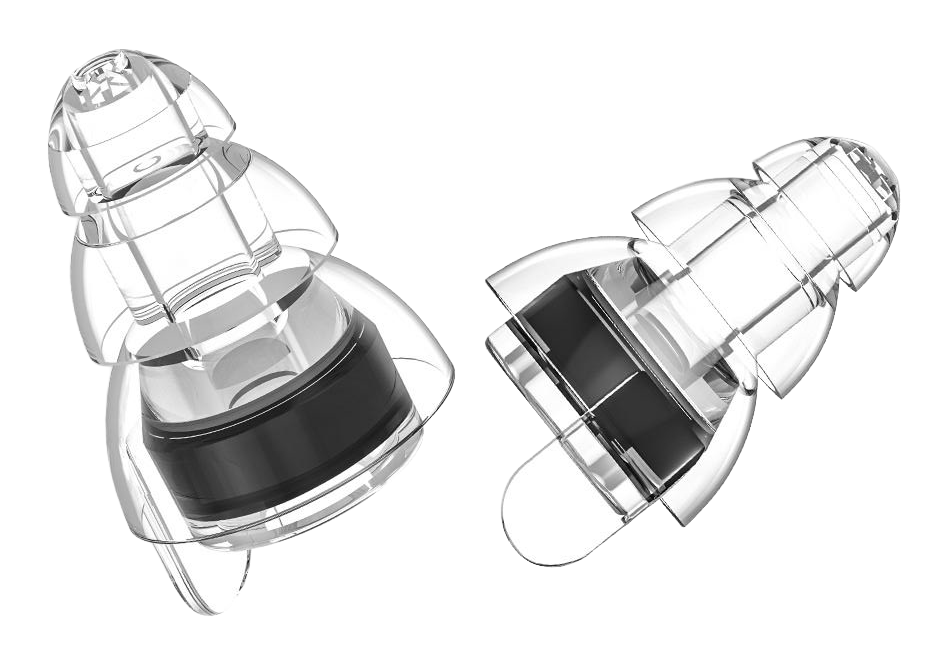
Shop Q2 Earplugs to protect your ears and support causes for tinnitus prevention and tinnitus awareness.